Code One Auto Home

Category

Diagnostics

18 articles

They Cleared the Code and Called It Fixed: How to Know If Your Repair Actually Worked

They Cleared the Code and Called It Fixed: How to Know If Your Repair Actually Worked

There's a big difference between a warning light that's gone and a problem that's actually solved. If your check engine light came back within days of leaving the shop, you're probably not imagining things — and you're definitely not alone. Here's how to use your scanner, readiness monitors, and live data to find out whether you got a real fix or just a temporary light-out.

Your Engine Already Healed — But Your ECU Didn't Get the Memo

Your Engine Already Healed — But Your ECU Didn't Get the Memo

You replaced the part, cleared the code, and the check engine light stayed off — so why does the car still run rough? The answer might be buried in your engine's memory, not under the hood. Here's how adaptive fuel trims work, when they go stale, and why a simple reset could be the fix you've been chasing.

Cheap Dongle or Pro Scanner: Here's What That Price Difference Actually Buys You

Cheap Dongle or Pro Scanner: Here's What That Price Difference Actually Buys You

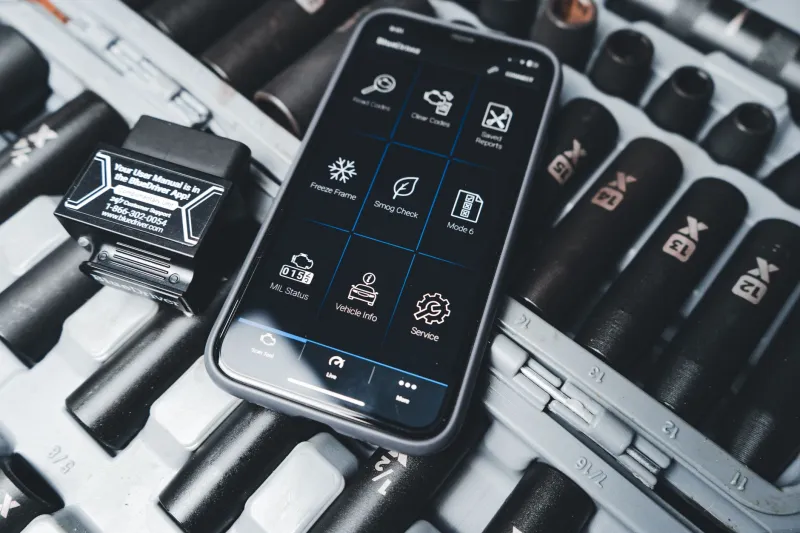
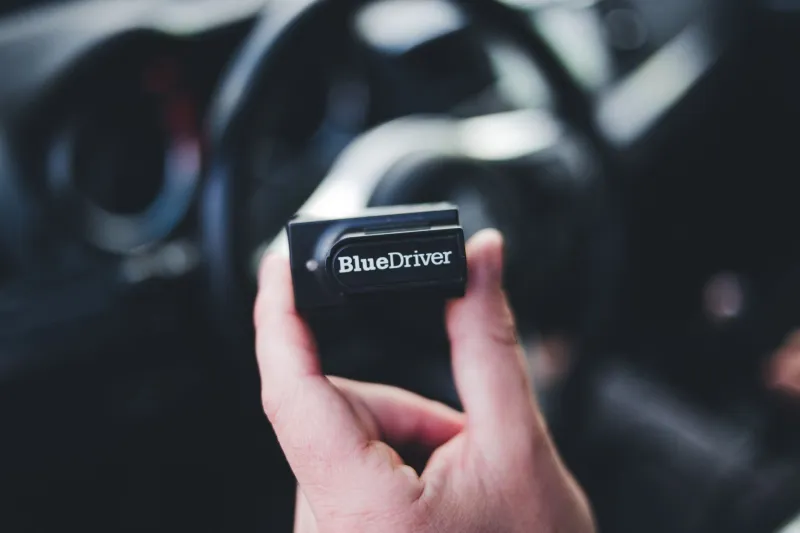
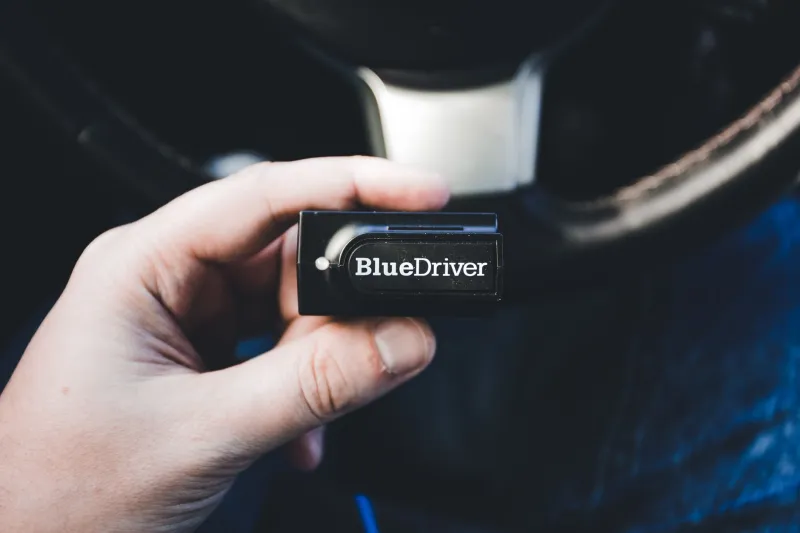
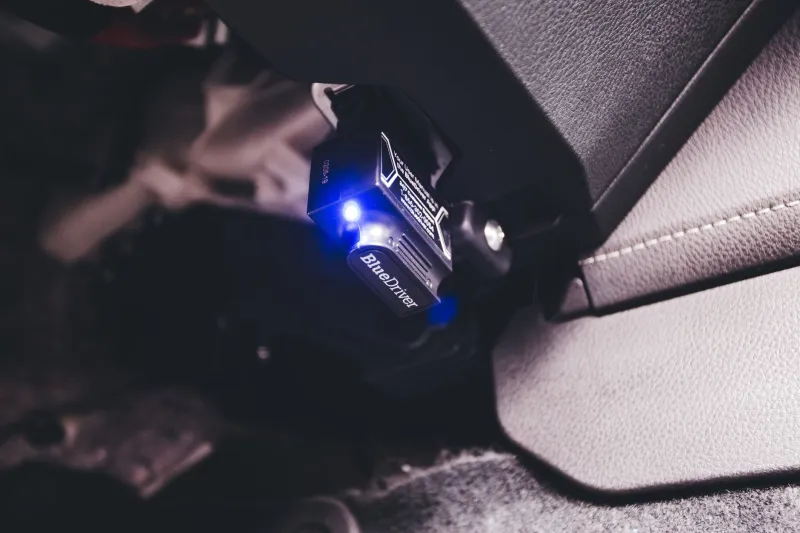
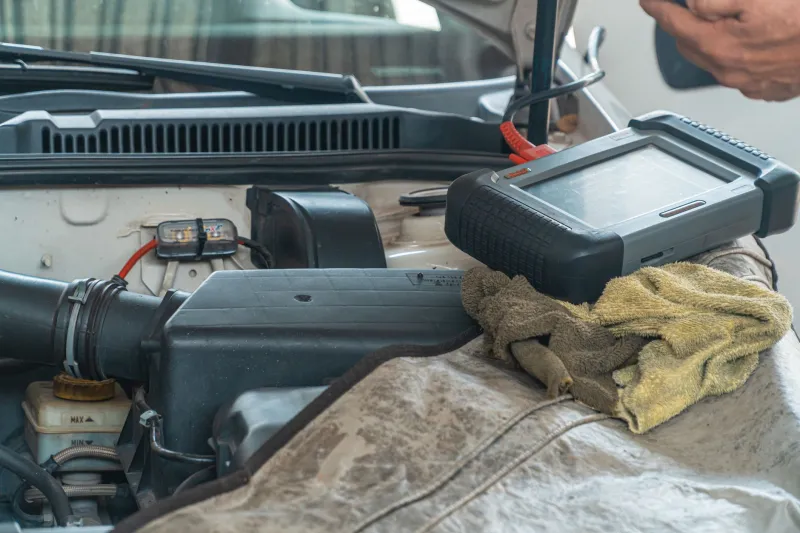
A $40 Bluetooth dongle can read a code number, but that's often where the usefulness ends. Understanding what separates budget OBD-II readers from mid-range and professional-grade scanners could save you from misdiagnoses, wasted parts, and repair bills that didn't have to happen. Here's how to match the right tool to your actual situation.

P0420 Keeps Coming Back? Here's Why You're Fixing the Wrong Thing

P0420 Keeps Coming Back? Here's Why You're Fixing the Wrong Thing

P0420 is one of the most recycled codes in the business — cleared a dozen times, never actually solved. Before you drop $800 on a catalytic converter, find out whether your cat is really the problem or just taking the blame for something else entirely.

No Codes, No Answers: When Your Gut Knows Something Your Scanner Doesn't

No Codes, No Answers: When Your Gut Knows Something Your Scanner Doesn't

A clean OBD-II readout feels like good news — until you pull out of the driveway and something still feels wrong. Not every mechanical problem leaves a digital footprint, and knowing when to trust your instincts over your scanner could save you from a much bigger repair bill down the road.

Gone But Not Fixed: What a Self-Clearing Check Engine Light Is Actually Hiding

Gone But Not Fixed: What a Self-Clearing Check Engine Light Is Actually Hiding

When your check engine light blinks off on its own, it's easy to breathe a sigh of relief and move on. But a code that clears itself isn't a problem that fixed itself — and the difference between those two things could cost you a lot more than you'd expect. Here's what's really going on under the hood when the light disappears.

Your Car Was Already Talking. Freeze Frame Data Is the Transcript.

Your Car Was Already Talking. Freeze Frame Data Is the Transcript.

When your check engine light kicks on, most people pull the code and stop there. But your car actually recorded a snapshot of everything happening at the exact moment the fault triggered — and that freeze frame data is where the real story lives. Here's how to read it, what the numbers mean, and how it can save you from chasing the wrong repair.

5 'Low Priority' Diagnostic Codes That Are Quietly Wrecking Your Engine

5 'Low Priority' Diagnostic Codes That Are Quietly Wrecking Your Engine

Not every trouble code screams for attention — but some of the quietest ones can do the most damage. These five commonly overlooked OBD-II flags won't always light up your check engine light, yet ignoring them long enough could mean a four-figure repair bill you never saw coming.

Your Car Was Fine at Inspection. Now It Isn't. Here's What's Actually Going On.

Your Car Was Fine at Inspection. Now It Isn't. Here's What's Actually Going On.

Intermittent faults are the most maddening problems in automotive repair — they show up when they feel like it and disappear the moment a tech tries to find them. Understanding how your car's OBD-II system stores these ghost codes, and knowing what information to document, can be the difference between a fast fix and months of frustration.