Beyond the Basics: What Manufacturer-Specific OBD-II Codes Are Actually Telling You
You plugged in your code reader, got a P0420, and Googled it. Cool. You're doing better than most people already. But here's something a lot of mechanics won't bring up unless you push them: that little reader you bought off Amazon is probably missing a whole second layer of codes buried deeper in your car's computer system.
We're talking about manufacturer-specific codes — the ones that Ford, GM, Toyota, BMW, and every other automaker programs directly into their vehicles beyond the standardized OBD-II framework. These codes don't always show up on cheap scanners. When they do pop up, they're often misidentified. And when they get ignored or misread, you can end up paying for repairs that don't actually fix anything.
Let's break down how this whole system actually works.
The OBD-II Code Alphabet — A Quick Refresher
Every OBD-II code starts with a letter that tells you which system it belongs to:
- P = Powertrain (engine, transmission)
- B = Body (windows, seats, airbags)
- C = Chassis (ABS, traction control, suspension)
- U = Network/Communication (modules talking to each other)
After that letter comes a number. And this is where things get interesting. A 0 in that second position means the code is generic — standardized across all makes and models by SAE (Society of Automotive Engineers). A 1 or 2 in that spot means you're looking at a manufacturer-specific code. Some automakers even use 3.
So P0420 is a generic catalytic converter efficiency code. But P1420? That could mean something completely different depending on whether you're driving a Subaru, a Nissan, or a Chevy. Same code prefix, totally different story.
Why Standard Scanners Drop the Ball
Most entry-level OBD-II readers — the $30-to-$80 dongles you find at AutoZone or online — are built to read generic codes. That's it. They're not programmed with the manufacturer-specific lookup tables needed to translate proprietary codes accurately.
What often happens is one of three things:
- The scanner reads the code but labels it as "unknown" or displays a garbled description
- It misidentifies the code entirely, pointing you toward the wrong system
- It doesn't pull the code at all because it's stored in a module the scanner doesn't communicate with
That third one is a big deal. Manufacturer-specific codes frequently live in body, chassis, and network modules that generic scanners can't even reach. Your ABS module, your transmission control unit, your body control module — those can all be storing active faults that your basic reader walks right past.
Real-World Examples by Brand
Let's put some actual codes on the table so this stops being theoretical.
Ford Ford uses P1000 to indicate that the OBD-II system hasn't completed its readiness monitors yet — usually after a battery disconnect. It looks alarming but it just means the car hasn't finished its self-check cycle. A lot of people replace sensors chasing this code when they just need to drive through a few heat cycles. Ford also uses codes like P1131 and P1151 for upstream oxygen sensor lean conditions on each bank, which are more specific than the generic P0171/P0174 lean codes and help pinpoint which bank and which sensor is actually the problem.
GM (Chevrolet, GMC, Buick, Cadillac) GM loves its P1 codes. P1133 on a GM vehicle points to an oxygen sensor that isn't switching fast enough — a nuance that a generic scanner might lump in with a broad O2 sensor fault. GM also uses U-codes heavily for module communication failures. A U0100 means the ECM has lost communication with another module entirely, which can cause cascading symptoms across multiple systems that look totally unrelated until you pull the network codes.
Toyota and Lexus Toyota is particularly aggressive about using manufacturer codes for hybrid system diagnostics. If you're driving a Prius and see a P3000-range code, you're in Toyota's hybrid battery territory — codes that a generic reader may not interpret correctly at all. Toyota also uses C-codes extensively for their VDIM (Vehicle Dynamics Integrated Management) system that a standard scanner simply won't touch.
BMW BMW takes this to another level. Their proprietary code system is so deep that even professional-grade generic scan tools often fall short. BMW uses codes in ranges that other manufacturers don't touch, and their fault descriptions frequently include sub-codes that indicate whether the fault is current, stored, or intermittent. Miss that distinction and you might be chasing a ghost.
How to Access These Codes Without a Dealer Visit
The good news: you don't necessarily need to hand your car over to a dealership and pay $150 for a diagnostic just to read manufacturer-specific codes. Here are your realistic options.
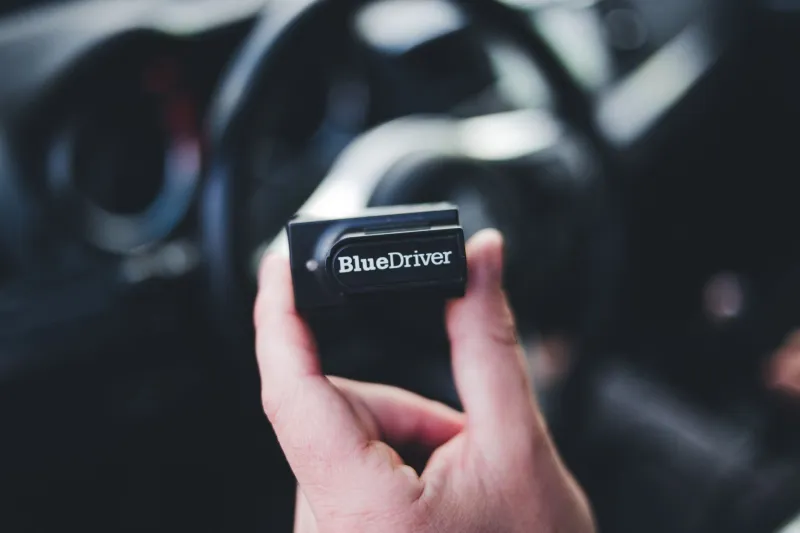
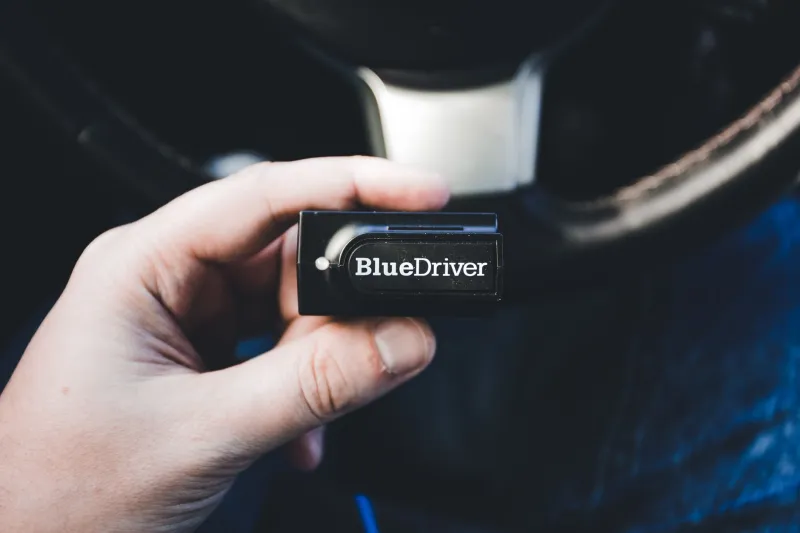
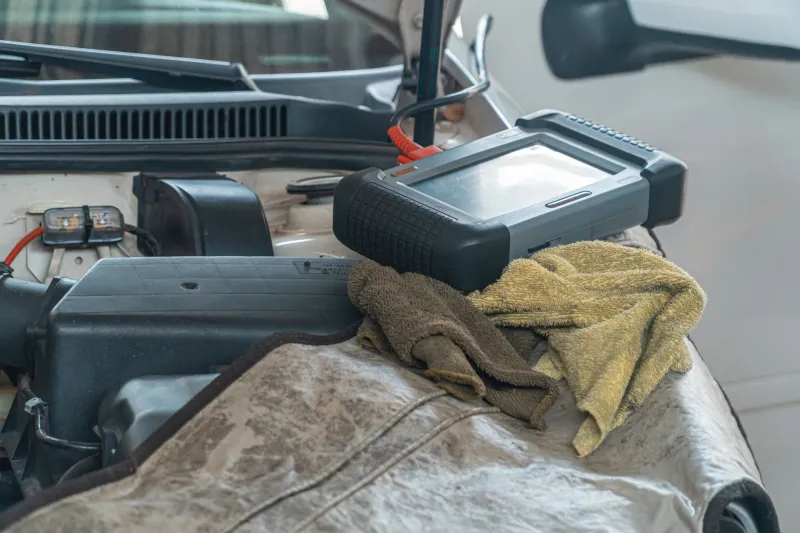
Mid-Range Professional Scanners Tools like the Autel MaxiCOM MK808, the Launch CRP909X, or the BlueDriver Bluetooth adapter paired with its app all offer manufacturer-specific code coverage for most major brands. These run anywhere from $100 to $300 depending on the model and feature set. For a DIYer who works on their own vehicles regularly, it's a legitimate investment that pays for itself fast.
Brand-Specific Software For single-brand households, dedicated software can be a smarter move. FORScan is a free (with paid extended license) Windows-based tool built specifically for Ford, Lincoln, and Mercury vehicles. It accesses modules that almost no aftermarket scanner touches. Torque Pro with the right PIDs, BMW's own ISTA software, and similar brand-specific tools exist for most major manufacturers and give you a level of access that generic tools simply can't match.
Repair Databases Once you have the code, you need accurate definitions. ALLDATA, Mitchell1, and even the free Mitchell1 DIY portal are far more reliable for manufacturer-specific code definitions than a generic Google search. The definition you find on a random forum might be accurate for one brand and completely wrong for yours.
The Misdiagnosis Problem Is Real
Here's the scenario that plays out in shops across the country: a car comes in with a manufacturer-specific code, the tech reads it on a generic scanner, gets a vague or inaccurate description, and replaces the most likely-sounding part. Car comes back a week later with the same problem. Sound familiar?
This isn't always the mechanic's fault. A shop that works on every make and model under the sun can't always justify investing in brand-specific scan tools for every manufacturer. But as the car owner, knowing this gap exists puts you in a better position to ask the right questions — or handle the initial diagnosis yourself before you ever walk through the shop door.
The Bottom Line
Generic OBD-II codes are the starting point, not the finish line. Manufacturer-specific codes are where your car actually gets specific — and specific is what you need when you're trying to fix something right the first time. If your scanner isn't reaching those codes, you're working with incomplete information, and incomplete information leads to wasted time and wasted money.
Get the right tool for your vehicle. Learn what your manufacturer's codes actually mean. And stop letting a $35 dongle be the last word on what's going on inside your car.