Gone But Not Fixed: What a Self-Clearing Check Engine Light Is Actually Hiding
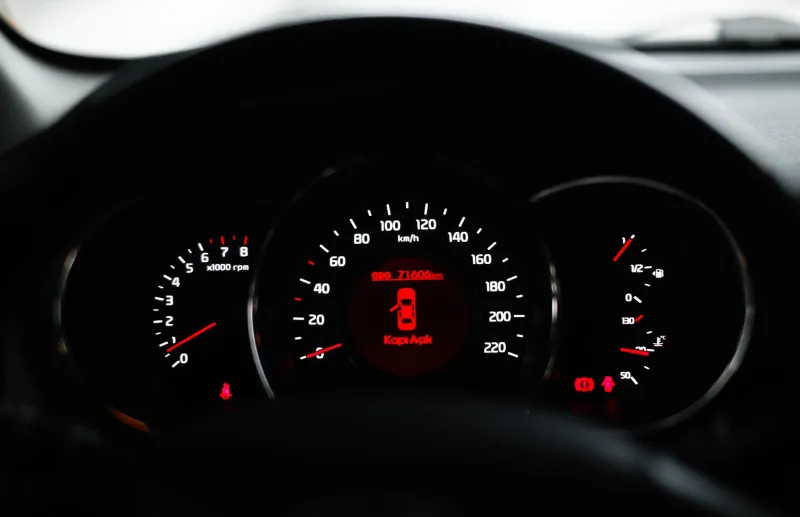
There's a particular kind of relief that comes when your check engine light goes out on its own. You didn't do anything. You didn't pay anyone. You just drove to work a few times and — poof — the amber glow is gone. Problem solved, right?
Not even close.
A self-clearing check engine light is one of the sneakiest things your car can do to you. It feels like good news. It is almost never good news. And if you're treating a disappeared code as a closed case, you're probably letting something quietly get worse while you drive around thinking you're in the clear.
Let's break down what's actually happening.
How OBD-II Codes Clear Themselves (Without Your Help)
Your vehicle's onboard diagnostic system — OBD-II, standard on all US cars since 1996 — doesn't just throw codes randomly. It runs continuous and non-continuous monitors, checking everything from your oxygen sensors to your evaporative emissions system. When something fails a test, a Diagnostic Trouble Code (DTC) gets stored and the check engine light comes on.
But here's the part most people don't know: the system also has rules for turning the light back off. If the fault doesn't reappear over a set number of successful drive cycles — typically two to three, depending on the manufacturer and the monitor involved — the system assumes the issue was a one-time glitch and clears the code automatically. The light goes dark. The stored fault moves into history. And your dashboard looks perfectly normal.
The problem? The underlying condition that triggered the code in the first place is often still there. It just didn't meet the threshold to trip the light again during those specific drive cycles.
Intermittent Faults Are the Hardest Ones to Catch
Not every fault is constant. Some problems only show up under specific conditions — a certain temperature range, a particular RPM, a load your engine only sees on the highway. These are called intermittent faults, and they're genuinely difficult to diagnose even for experienced mechanics, because the car behaves perfectly fine during a shop inspection.
A classic example: a failing mass airflow sensor that only acts up when the engine is cold. You might see a P0101 or P0102 on a frigid Tuesday morning, but by the time the engine warms up on your commute, everything looks normal to the ECU. Drive a couple of warm-weather cycles and the code self-clears. You never think about it again — until the sensor degrades further and starts affecting fuel trims badly enough that you're losing mpg and your catalytic converter is working overtime.
Another common culprit is the evaporative emissions system. A loose or slightly faulty gas cap can trigger a P0442 (small EVAP leak detected), which will often clear on its own after a few cycles. But if the actual leak is a cracked hose or a failing purge valve, that code is coming back. And in the meantime, your car is venting fuel vapors it shouldn't be.
Pending Codes: The Paper Trail Your Car Leaves Behind
Here's where a basic OBD-II scanner earns its keep. Even after a code clears itself, your vehicle often leaves behind what's called a pending code — sometimes also referred to as a "maturing fault" or a "one-trip fault."
Pending codes are stored when the system detects a problem but hasn't seen it fail enough times to trigger the check engine light yet. They live in a different part of your ECU's memory than confirmed codes, and a lot of drivers — and even some quick-lube techs — miss them entirely because they're only looking at active DTCs.
If you plug in a scanner after your check engine light goes out and you see a pending code sitting there, that's your car telling you: I saw something I didn't like. I'm watching it. Don't ignore that. That pending code is the closest thing to a heads-up you're going to get before the light comes back on.
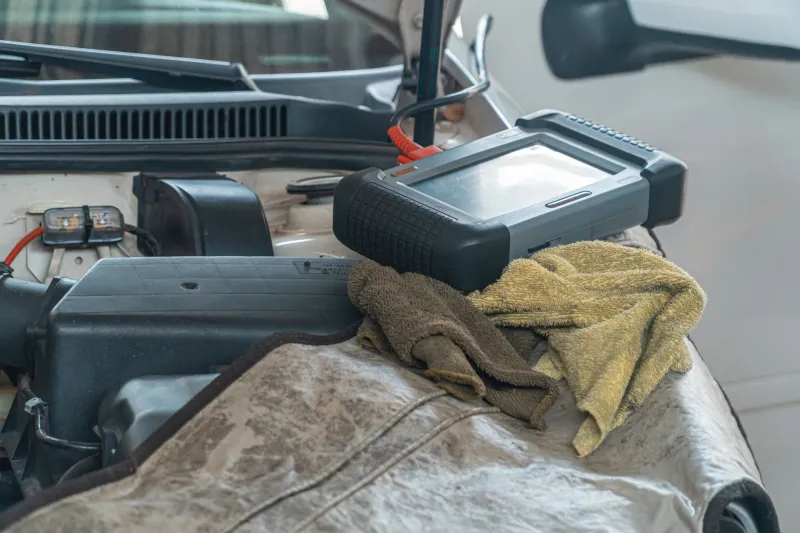
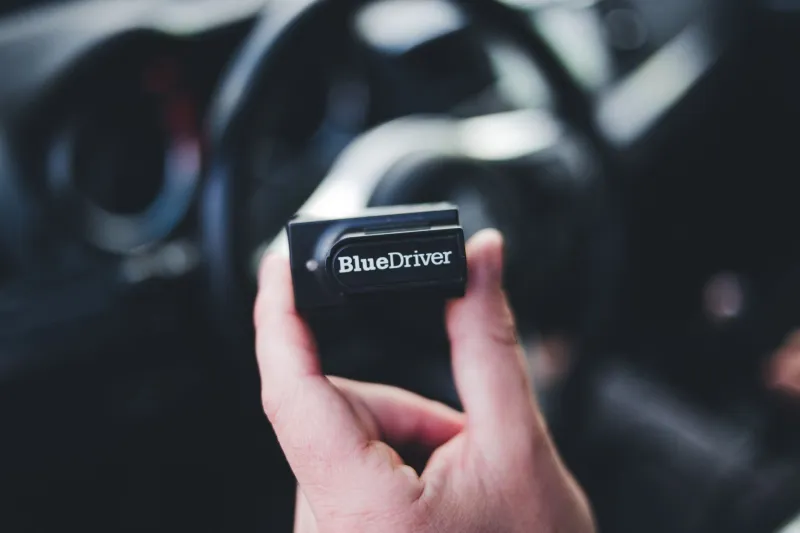
Most mid-range scanners — anything in the $30–$100 range from brands like Autel, BlueDriver, or Innova — will show you pending codes alongside confirmed ones. If you're only checking for active codes, you're only getting half the story.
Readiness Monitors Tell You Whether the System Has Even Run Its Tests
There's another layer to this that's worth understanding: readiness monitors. These are the individual self-tests your OBD-II system runs to evaluate different components — things like the oxygen sensor monitor, the catalyst monitor, the EVAP monitor, and so on.
When a code clears — whether you clear it manually or the system does it automatically — those readiness monitors get reset to "not ready." Your car has to complete specific drive cycles before each monitor runs its test again and reports back.
This matters for a couple of reasons. First, if you live in a state with emissions testing (and most US states have some form of it), a car with too many incomplete readiness monitors will fail inspection even with no active codes. Second, and more relevant here, an incomplete monitor means the system simply hasn't gotten around to checking that component yet. The absence of a code doesn't mean everything passed — it might just mean the test hasn't run.
So if your check engine light cleared itself and you're curious whether the underlying issue is actually resolved, check your readiness monitors. If the monitor related to the original fault is still showing "not ready" or "incomplete," your car hasn't even had a chance to confirm whether the problem is gone.
What You Should Actually Do When the Light Goes Out on Its Own
The move most people make is nothing. The move you should make is a quick scan.
Plug in your scanner — or swing by an AutoZone, O'Reilly, or Advance Auto Parts, all of which will do a free code read — and look for three things:
- Active codes — anything currently flagged
- Pending codes — faults the system has noticed but hasn't confirmed yet
- Readiness monitor status — which monitors have completed and which haven't
If you find a pending code that matches what you were seeing before, treat it like an active code. Research it, take it to a trusted shop, or dig into it yourself. A pending code is a fault in progress, not a fault that's been dismissed.
If the monitors haven't completed yet, give the car a few more drive cycles — ideally a mix of city and highway driving, cold starts, and some steady-speed cruising. Then scan again. If the light stays off and the related monitor comes back clean, you might actually be okay.
But if that monitor fails again? Now you have your answer.
The Light Turning Off Isn't the Finish Line
Your OBD-II system is genuinely impressive technology. It monitors hundreds of parameters in real time and does a remarkable job of flagging problems before they become catastrophic. But it's not designed to reassure you — it's designed to detect. And a system that clears its own codes after a handful of drive cycles isn't giving you the all-clear. It's just moving on to the next test.
Don't let a dark dashboard lull you into skipping the follow-up. Grab a scanner, check those pending codes, and look at your readiness monitors. Thirty seconds of curiosity now could save you from a very expensive surprise a few hundred miles down the road.
The code cleared. The problem didn't. Know the difference.