Your Car Was Already Talking. Freeze Frame Data Is the Transcript.
You plug in your OBD-II scanner, pull the code — say, a P0171 for fuel system lean — and immediately start Googling what it means. That's a completely normal move. But here's the thing: while you were reading about mass airflow sensors and vacuum leaks, your scanner was sitting there holding something way more useful. It's called freeze frame data, and most car owners never even scroll down to look at it.
That's a mistake worth fixing.
What Freeze Frame Data Actually Is
Think of your car's ECU — the engine control unit — as a security camera that's always running. The moment it detects a condition severe enough to trigger a fault code, it hits record. In that instant, it captures a snapshot of dozens of sensor readings: engine speed, coolant temperature, throttle position, fuel trim values, engine load, vehicle speed, and more. That snapshot gets stored alongside the trouble code and stays there until you clear it.
That snapshot is freeze frame data.
It's not a guess about what went wrong. It's a timestamped photograph of exactly what your engine was doing when the ECU decided something wasn't right. And when you know how to read it, it becomes one of the most powerful diagnostic tools you have access to — for free, with the same $30 scanner you probably already own.
How to Access It
Most basic OBD-II scanners and even free phone-based apps like Torque or Car Scanner will display freeze frame data automatically when you pull a stored code. After you read the DTC (diagnostic trouble code), look for a tab, button, or menu option labeled "Freeze Frame," "FF Data," or sometimes just listed directly below the code.
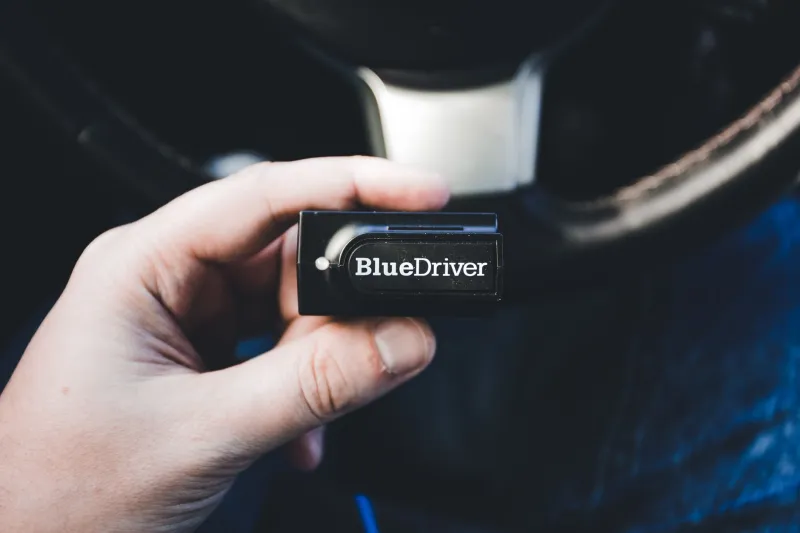
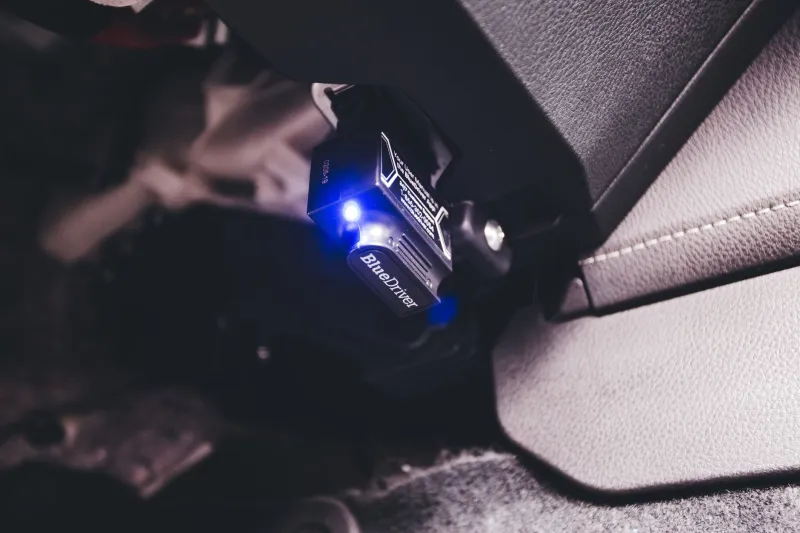
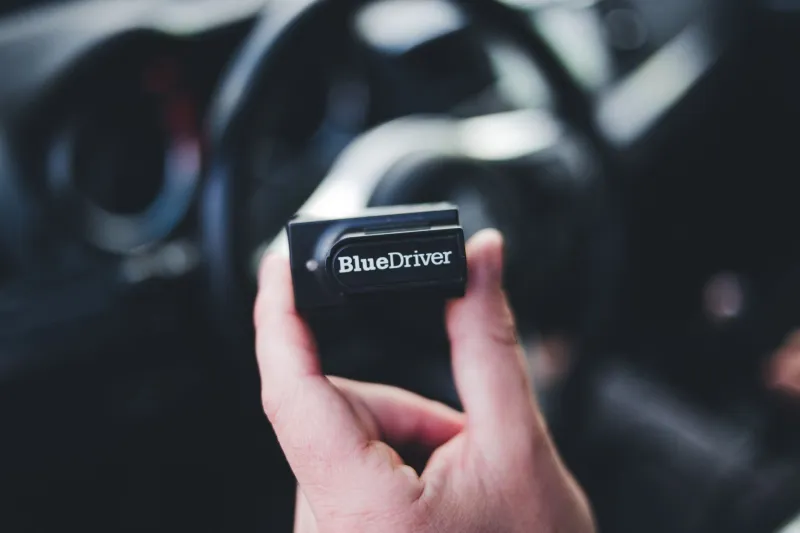
If your scanner only shows you the code number and a short description with nothing else, it may be too basic to display freeze frame — in which case it's worth upgrading to something in the $50–$100 range. Brands like Autel, Innova, and BlueDriver all read freeze frame reliably and are widely available at AutoZone, O'Reilly, or on Amazon.
Once you're looking at the freeze frame screen, you'll see a list of parameter IDs — PIDs, in scanner language — each with a value recorded at the moment of the fault.
The Parameters That Matter Most
Not every value on that screen carries equal weight. Here are the ones worth paying close attention to:
RPM (Engine Speed): Was the engine idling at 700 RPM or cruising at 2,500? This tells you whether the fault happened under light load or during acceleration. A lean code that fires only at highway RPMs points somewhere different than one that shows up at idle.
Engine Load (%): This reflects how hard the engine was working as a percentage of its maximum capacity. High load values during a misfire code, for example, suggest the problem gets worse under stress — which could point toward a fuel delivery issue rather than a simple ignition component.
Coolant Temperature: If your engine hadn't reached normal operating temp when the code set, that changes the picture entirely. A cold engine runs rich by design. A lean code triggered at 100°F coolant temp during a cold start is a very different animal than the same code at 195°F.
Short-Term and Long-Term Fuel Trim (STFT / LTFT): These are arguably the most diagnostic-rich values in freeze frame. Fuel trim tells you how aggressively the ECU is compensating for a perceived imbalance in the air/fuel mixture. Positive values mean it's adding fuel (lean condition), negative means it's pulling back (rich condition). If long-term fuel trim is sitting at +20% or higher, your engine has been working around a problem for a while — that's not a fluke, that's a pattern.
Vehicle Speed: Was the car moving or stationary? A code that sets only while driving — not at idle in a parking lot — narrows your diagnostic window considerably.
Throttle Position (%): Pairs well with RPM and load to paint a complete picture of driver demand at the moment of the fault.
Real-World Scenario: P0300 Random Misfire
Let's say you pull a P0300 — random/multiple cylinder misfire detected. Without freeze frame, you're looking at a long suspect list: spark plugs, ignition coils, injectors, vacuum leaks, low compression. With freeze frame, you get to narrow it.
Imagine the data shows: RPM at 1,800, engine load at 78%, coolant temp at 197°F, long-term fuel trim at +18%, vehicle speed at 52 mph. That tells you the misfire happened under moderate acceleration at highway speed with a warm engine — and the elevated fuel trim suggests the engine was already running lean before the misfire occurred. That combination points toward fuel delivery: a weak fuel pump, dirty injectors, or a failing fuel pressure regulator. It steers you away from ignition components as the likely root cause.
Now flip it: same P0300, but freeze frame shows RPM at 650, load at 12%, coolant temp at 68°F, fuel trim near zero, vehicle speed at 0. That's an idle misfire on a cold engine with no fuel trim issues. Suddenly a vacuum leak or a lazy idle air control valve looks a lot more likely.
Same code. Completely different story.
One-Time Fluke or Real Problem?
Freeze frame data is also your best tool for answering the question every car owner asks: Do I actually need to fix this right now?
If you've got a P0420 catalyst efficiency code and the freeze frame shows everything else — fuel trims, coolant temp, O2 sensor activity — all within normal range, there's a decent chance it was a temporary blip. Clear the code, drive through a full warm-up cycle, and see if it returns. If freeze frame had shown long-term fuel trim at +22% alongside that P0420, that's a different story — your upstream O2 sensor or a lean condition may be poisoning the catalyst, and ignoring it will cost you more later.
Freeze frame essentially gives you context. A code without context is just a number. A code with freeze frame data is a diagnosis in progress.
Don't Skip This Step
The check engine light gets all the attention, but freeze frame is doing the heavy lifting quietly in the background. Before you buy a single part, before you schedule a shop appointment, before you spend an hour on a forum thread — pull your freeze frame data and actually read it.
Write the values down or take a photo of the scanner screen. Cross-reference them with what you know about when the light came on: Were you accelerating hard? Was the engine cold? Had you just filled up with gas? That combination of scanner data and your own memory of the moment is more useful than any generic code description you'll find online.
Your car recorded the incident. You just have to learn how to read the report.