5 'Low Priority' Diagnostic Codes That Are Quietly Wrecking Your Engine
5 'Low Priority' Diagnostic Codes That Are Quietly Wrecking Your Engine
Here's something most shops won't volunteer: your car can be storing diagnostic trouble codes right now without a single warning light glowing on your dash. No amber glow, no beeping, no drama. Just a vehicle that feels mostly fine — while something under the hood slowly gets worse.
These are called pending codes or manufacturer-specific codes, and they exist in a kind of diagnostic gray zone. They haven't crossed the threshold to trigger a check engine light, so a lot of mechanics don't mention them. Some shops won't even pull them unless you specifically ask. And most drivers? They never know these codes exist until the damage is already done.
That's exactly the kind of information gap Code One Auto exists to close. So let's walk through five of these under-the-radar flags — what they mean, why they matter, and what happens if you keep putting them off.
1. Variable Valve Timing (VVT) Performance Codes
Common codes: P0010, P0011, P0021, P0022
Variable valve timing systems — you might know them as VTEC, VVT-i, VANOS, or similar depending on your make — adjust how your engine breathes based on load and speed. They're a big reason modern engines are both powerful and fuel-efficient.
When a VVT-related code shows up as a pending flag, it usually means the system is starting to lag. The camshaft isn't hitting its target position as quickly as it should. At first, you might notice slightly sluggish acceleration or a rough idle at startup. Easy to brush off.
But here's the thing: VVT systems depend heavily on clean, properly pressurized oil. When they start slipping, it often means oil passages are getting gunked up or the actuator solenoid is wearing out. Leave it alone, and you're looking at stretched timing chains, worn timing components, or full VVT actuator failure. That repair can run anywhere from $800 to over $2,000 depending on your vehicle.
The fix in the early stages? Often just an oil change with the correct viscosity oil and a solenoid cleaning or replacement — a fraction of the cost.
2. Fuel Trim Drift (Long-Term)
Common codes: P0171, P0172, P0174, P0175 (when pending)
Fuel trim codes get talked about — but usually only after they've gone full check-engine-light. The pending version of these codes is where the real opportunity to save money lives.
Your engine's computer is constantly making tiny adjustments to the air-fuel mixture. Long-term fuel trim drift means it's been compensating for an imbalance for a while — either running too lean (not enough fuel) or too rich (too much fuel). When this shows up as a pending code, the system hasn't hit the threshold to flag a hard fault yet. But it's working overtime to compensate.
Common culprits include a dirty mass airflow (MAF) sensor, a small vacuum leak, a lazy oxygen sensor, or a clogged fuel injector. None of those sound catastrophic on their own. But sustained lean conditions can cause misfires, damage catalytic converters (which run $1,000+ to replace), and in worse cases, lead to detonation that scores cylinder walls.
Catch the drift early and you might be looking at a $15 MAF sensor cleaning or a $40 vacuum line. Wait, and the bill multiplies fast.
3. Coolant Temperature Sensor Deviation
Common codes: P0116, P0128 (when pending or intermittent)
This one gets dismissed constantly. The car isn't overheating, the temp gauge looks normal, so what's the big deal?
The big deal is that your engine control module uses coolant temperature data to make dozens of decisions — fuel delivery, ignition timing, when to close the choke, when to enable certain emissions systems. If the sensor is feeding it slightly off data, all those decisions are slightly wrong. All the time.
P0128 in particular — which flags when the engine isn't reaching normal operating temperature quickly enough — often points to a thermostat that's stuck partially open. Your engine runs cooler than it should, which means it runs richer, burns more fuel, and produces more wear on cylinder walls because it spends more time in the warm-up enrichment phase.
A thermostat replacement is usually a $150–$250 job. Ignoring the underlying problem long enough can mean accelerated engine wear and a fouled catalytic converter. Not a trade-off worth making.
4. Evaporative Emission System Small Leak
Common codes: P0442, P0456
Okay, yes — this one is often genuinely minor. A loose gas cap can trigger it. But here's why it makes this list: because drivers hear "evap leak" and completely tune out, assuming it's always nothing.
Sometimes it is nothing. But a small evap leak that persists after you've tightened the gas cap can mean a cracked charcoal canister, a failing purge valve, or a deteriorating fuel vapor line. Left alone, small leaks become larger ones. And a failed purge valve doesn't just affect emissions — it can cause rough idle, hard starts, and fuel economy drops that add up at the pump over months.
More importantly, if you're in a state with emissions testing (California, New York, Texas, and many others), even a pending evap code can cause you to fail inspection. Fixing a purge valve early runs $100–$200. Failing a test, scrambling to fix it under deadline pressure, and potentially missing registration renewal? That's a headache that costs more than money.
5. Misfire History Codes (Stored, Not Active)
Common codes: P030X series stored without active fault
This might be the sneakiest one on the list. Your scanner shows a stored misfire code — say, P0302 for cylinder 2 — but it's not active. The car seems to run fine. So mechanics sometimes mention it casually and move on.
Don't move on.
A stored misfire means your engine misfired enough times to log the event, even if it's not doing it constantly right now. Intermittent misfires are often early signs of a failing ignition coil, a worn spark plug, a weak fuel injector, or — in more serious cases — a compression issue. They tend to get worse under load, in hot weather, or after the engine fully warms up.
Here's the kicker: raw, unburned fuel from misfires gets pushed into the exhaust and can destroy an oxygen sensor or catalytic converter in a surprisingly short amount of time. A set of spark plugs and a coil might run you $150–$300 all in. A catalytic converter? Easily $1,500 or more, and that's before labor.
The Takeaway: Ask for the Full Picture
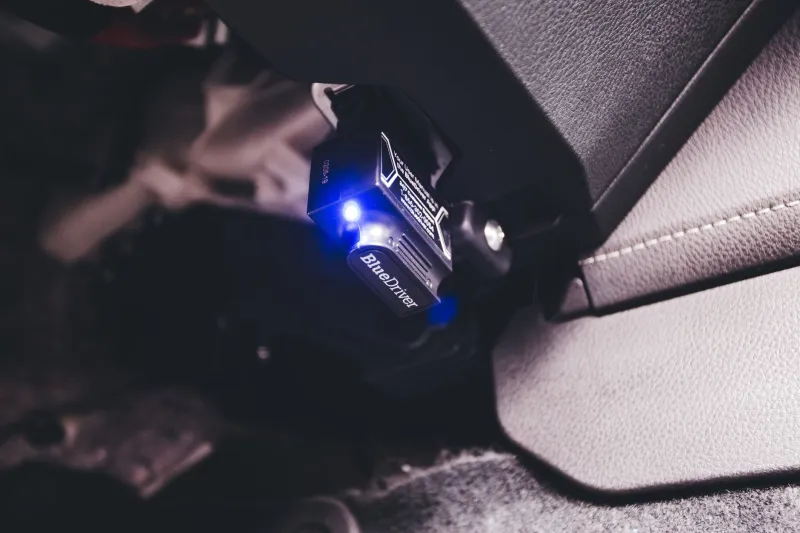
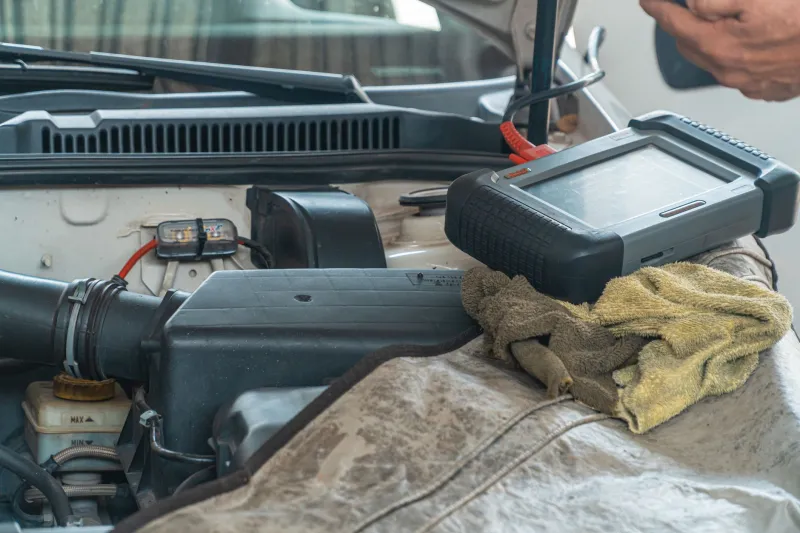
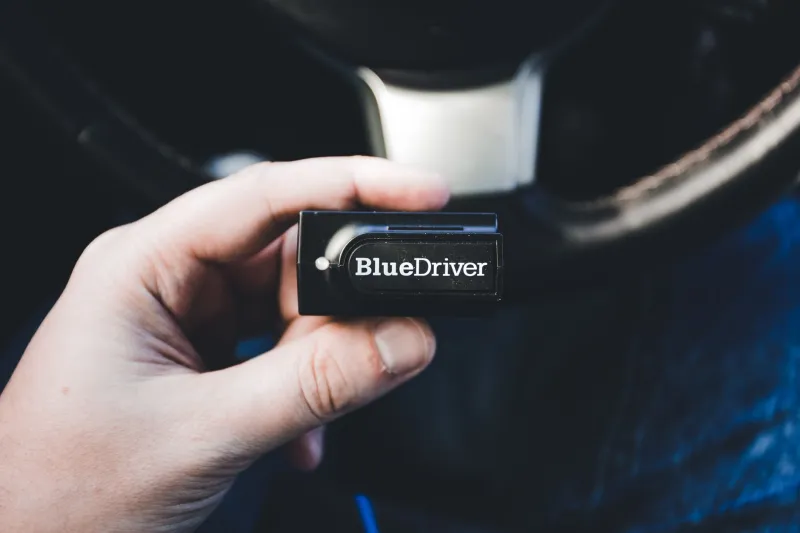
Next time you get a diagnostic scan — whether it's at a shop or you're running your own OBD-II reader — don't just look at the active codes. Pull the pending codes and stored codes too. Ask specifically about manufacturer-specific codes if your reader supports them.
The codes your mechanic never mentions aren't always being hidden on purpose. Sometimes they're just considered low priority. But low priority today has a way of becoming high cost tomorrow.
You bought the car. You're paying for the repairs. You deserve the full story — not just the part that's already on fire.