Your Scanner Says One Thing, Your Wallet Pays for Another: 10 OBD-II Codes Mechanics Frequently Get Wrong
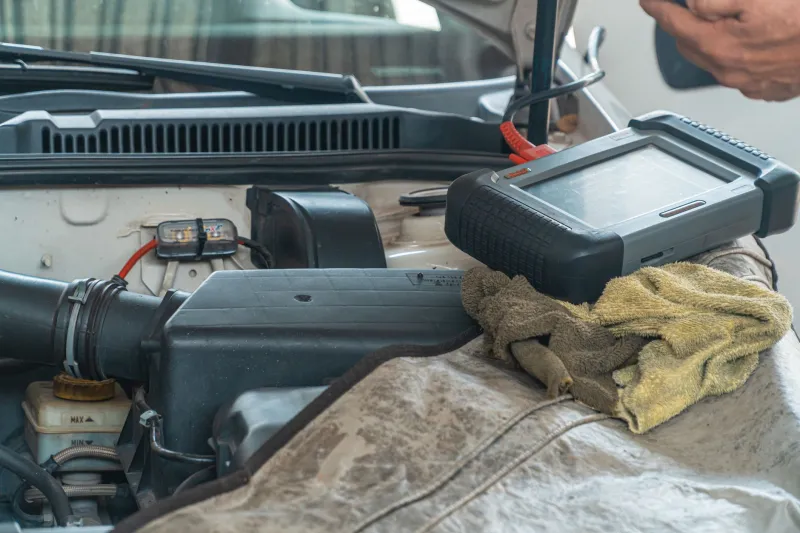
Pulling a code from your car's OBD-II system feels like getting an answer. But here's the uncomfortable truth: a diagnostic trouble code is more of a clue than a confession. It tells you a system is unhappy — not necessarily which component broke it. That gap between "code pulled" and "root cause found" is exactly where misdiagnoses are born, and where your repair budget quietly gets torched.
We've gone through the most common offenders — codes that show up constantly in shops across the country and get mishandled just as often. Whether you're a DIYer trying to stay informed or a car owner about to get a repair quote, knowing what these codes actually mean could save you a serious chunk of change.
P0420 — Catalyst System Efficiency Below Threshold (Bank 1)
The wrong fix: Replace the catalytic converter. At $800–$1,500 installed, this is one of the most expensive snap judgments a shop can make.
What's really going on: P0420 triggers when the downstream O2 sensor detects that the cat isn't cleaning exhaust gases efficiently enough. But a failing catalytic converter is often the result of another problem, not the cause. A misfiring engine, a leaking exhaust manifold, a bad upstream oxygen sensor, or even the wrong grade of fuel can all fool the system into throwing P0420. Before condemning the cat, a proper diagnosis includes checking for misfires, inspecting O2 sensor waveforms, and ruling out exhaust leaks upstream.
P0300 — Random/Multiple Cylinder Misfire Detected
The wrong fix: Swap out spark plugs and ignition coils across the board.
What's really going on: Random misfires are notoriously tricky. Yes, worn plugs can cause them. But so can a clogged fuel injector, a vacuum leak, low fuel pressure, a failing crankshaft position sensor, or even a stretched timing chain. The misfire pattern matters — does it follow one cylinder? Does it appear only under load? Freeze frame data and a fuel trim analysis often reveal the real culprit far more accurately than parts-swapping.
P0171 / P0174 — System Too Lean (Bank 1 / Bank 2)
The wrong fix: Replace the mass airflow (MAF) sensor.
What's really going on: A lean condition means the engine is getting too much air or not enough fuel. The MAF sensor gets blamed constantly, but vacuum leaks, a dirty or failing fuel pump, clogged injectors, or even a cracked intake boot are just as likely. Always check for vacuum leaks first — they're cheap to find and fix. Spray carburetor cleaner carefully around intake seams while the engine idles and watch for RPM changes. A smoke test is even better.
P0442 / P0455 — Evaporative Emission System Leak Detected
The wrong fix: Replace the purge valve or EVAP canister.
What's really going on: Before anything else, check the gas cap. Seriously. A loose or cracked fuel cap triggers EVAP codes constantly. P0442 is a small leak; P0455 is a large one. After confirming the cap is good, a smoke test through the EVAP system will pinpoint the actual leak — which could be a cracked hose, a failed vent valve, or a compromised fuel tank seal. Replacing expensive components without a smoke test first is guesswork dressed up as diagnosis.
P0128 — Coolant Temperature Below Thermostat Regulating Temperature
The wrong fix: Replace the coolant temperature sensor.
What's really going on: P0128 almost always means the thermostat is stuck open, not that the sensor is lying. A stuck-open thermostat lets coolant circulate too freely, keeping the engine cooler than it should be. The ECT sensor is simply reporting what it measures accurately. Replacing the sensor first is a waste of money. The thermostat is usually a $15–$40 part and the real fix here.
P0401 — Exhaust Gas Recirculation (EGR) Flow Insufficient
The wrong fix: Install a new EGR valve.
What's really going on: The EGR valve gets swapped out all the time when this code shows up, but the passages feeding the valve are often the real problem. Carbon buildup in the EGR ports can completely block flow while the valve itself works fine. A proper diagnosis involves removing the valve and inspecting the passages. A $10 can of EGR cleaner and some elbow grease might be all that's needed.
P0507 — Idle Control System RPM High
The wrong fix: Replace the idle air control (IAC) valve.
What's really going on: A high idle is often caused by a vacuum leak, not a failed IAC. Air sneaking into the intake past a cracked hose or failed gasket bypasses the throttle entirely, causing the engine to rev up at idle. Replacing the IAC without checking for leaks first is a common and frustrating mistake.
P0340 — Camshaft Position Sensor Circuit Malfunction
The wrong fix: Replace the camshaft position sensor.
What's really going on: This code indicates a problem in the circuit, not necessarily the sensor itself. A damaged wiring harness, corroded connector, or failed reluctor wheel can all trigger P0340. Before buying a sensor, inspect the wiring between the sensor and the ECM. Connector corrosion is especially common in older vehicles exposed to road salt in northern states.
P0700 — Transmission Control System Malfunction
The wrong fix: Rebuild or replace the transmission.
What's really going on: P0700 is a generic flag that tells you to go look at the transmission-specific codes stored alongside it. It's not a standalone diagnosis — it's a redirect. The actual issue could be a faulty shift solenoid, low transmission fluid, a bad range sensor, or an electrical fault in the TCM harness. Always pull the accompanying transmission codes before anyone starts talking about a rebuild.
P0446 — Evaporative Emission Control System Vent Control Circuit
The wrong fix: Replace the vent valve or EVAP canister.
What's really going on: Similar to other EVAP codes, P0446 often traces back to wiring issues or a stuck-closed vent valve rather than the canister itself. Check the electrical connector at the vent valve first — corrosion or a broken wire is a frequent culprit, especially in vehicles with high mileage or weather exposure.
Push Back Before You Pay
The next time a shop hands you a repair quote based on a code alone, it's completely reasonable to ask: What tests were performed to confirm this is the root cause? A code is a starting point. Legitimate diagnosis involves live data, component testing, and often a process of elimination. Any shop worth its lift time will be able to walk you through their diagnostic process.
An affordable OBD-II scanner — you can find solid options for $30–$80 — lets you pull codes yourself before you ever walk into a shop. Combine that with a little knowledge about what those codes actually mean, and you're no longer at the mercy of a parts-cannon approach to your car's problems.
Diagnose it right. Fix it once. Drive it confidently.