Same Code, Third Visit: Why Your Repair Keeps Failing and What to Do Differently
There's a specific kind of frustration that hits when you pick up your car, pay the bill, drive two weeks, and watch that check engine light flick back on like nothing ever happened. You go back to the shop. They find the same code. You pay again — or argue about it. Maybe it happens a third time.
At that point, most people assume the mechanic is incompetent, or worse, running some kind of scam. Sometimes that's true. But more often, the real problem is that nobody — not the tech, not you — stopped to ask why the original component failed in the first place. A code tells you what broke. It almost never tells you why.
Breaking the cycle means changing the question you're asking.
A Code Is a Symptom, Not a Diagnosis
This is the part that trips up even experienced DIYers. When your scanner pulls a P0300 (random misfire) or a P0171 (system too lean, Bank 1), those codes are the car's way of flagging that something is off — not identifying the root cause with any precision.
Think of it like a smoke detector going off in your kitchen. The alarm tells you there's a problem. It doesn't tell you whether you burned the toast, left the stove on, or have an actual fire behind the wall. Replacing the smoke detector doesn't solve any of those things.
When a repair shop replaces the part that triggered the code and calls it done, they've silenced the alarm. If the underlying condition that killed that part is still present, the new part will eventually fail the same way — and the code will be back.
The Cascade Problem Nobody Explains to You
Modern vehicles are a web of interdependent systems. One failing component can stress others downstream, and those secondary failures are easy to misread as the primary problem.
Here's a real-world example: a failing mass airflow (MAF) sensor can cause your engine to run rich or lean, which can foul oxygen sensors, stress the catalytic converter, and trigger misfire codes from incomplete combustion. A shop that replaces the O2 sensor and calls it fixed isn't wrong, exactly — but they've treated a symptom of the actual issue. When the MAF continues to degrade, the new O2 sensor gets hammered by the same bad data, and you're back in the waiting room.
This cascading effect is especially common with:
- Vacuum leaks — a small crack in an intake hose can cause lean codes, misfire codes, and idle issues all at once, depending on where the leak is and how severe it is
- Coolant temperature sensor failures — a sensor that reads cold when the engine is warm will cause the ECU to over-fuel, leading to fouled plugs, rich codes, and eventually catalyst damage
- Wiring and ground faults — a corroded ground connection can make multiple sensors report bad data simultaneously, sending you down a parts-replacement rabbit hole that never ends
Intermittent Faults Are the Hardest to Kill
Some codes come back not because the repair was wrong, but because the fault was never consistent to begin with. Intermittent electrical gremlins — a wire that shorts under heat, a connector that loses contact when the engine vibrates, a sensor that behaves normally when cold — can pass a post-repair test and still be lurking.
These faults are infuriating because the car can look perfectly healthy on a scanner right after the work is done. The code gets cleared. Everything checks out. Then you hit highway speeds on a hot afternoon and it returns.
If your code has come back more than once, ask the shop directly: Did you verify the repair under the same conditions that originally triggered the fault? A code that shows up on cold starts should be tested on a cold start. A code that appears after 20 minutes of driving shouldn't be signed off on after a five-minute test loop around the parking lot.
Questions to Ask Before You Authorize Another Repair
If you're staring down a third estimate for what looks like the same problem, slow down before you approve anything. These questions can save you real money:
1. What caused the original component to fail? If the answer is "it was just worn out" for a part that's only two years old, push back. Parts don't usually wear out that fast without a reason.
2. Were any related components inspected? A fuel injector that fails repeatedly might be dealing with a fuel pressure problem. A repeatedly blown fuse points to a short somewhere in the circuit. Ask what was checked beyond the part that was replaced.
3. Was the repair verified under real driving conditions? This matters a lot for intermittent faults. A short road test isn't always enough.
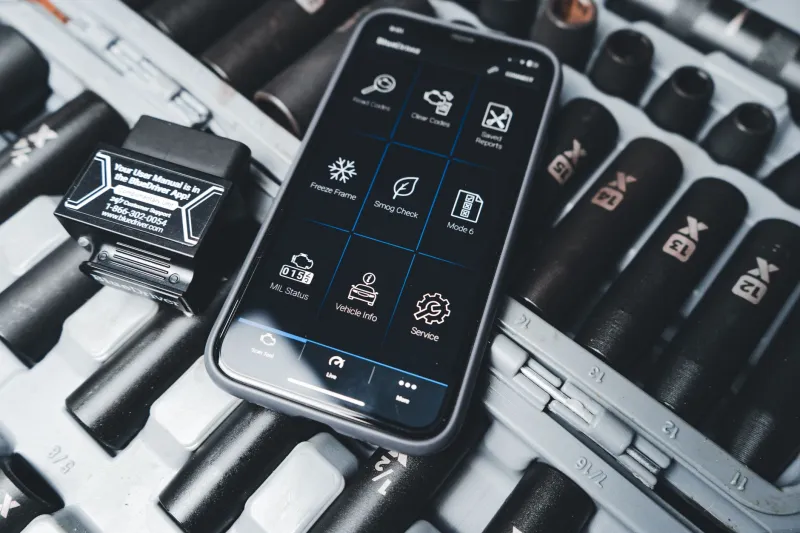
4. Is there freeze frame data from when the code originally set? Freeze frame captures what the engine was doing at the exact moment the fault triggered — RPM, load, fuel trim, coolant temp. That data is a roadmap. If the shop isn't using it, they're flying a little blind.
5. Are there any related codes that were cleared without being addressed? Sometimes a secondary code gets dismissed as a consequence of the main fault, cleared, and forgotten. If it comes back, it deserved more attention the first time.
When It's Time to Get a Second Opinion
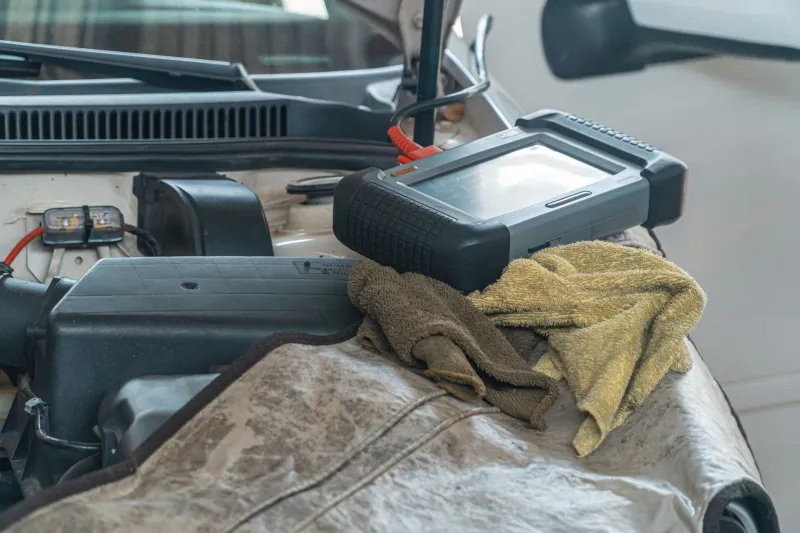
If you've had the same code repaired twice and it's returned, there's no shame in taking the car somewhere else — ideally a shop with a scan tool capable of live data monitoring and the time to actually chase the fault rather than just replace the obvious part.
Dealerships can be worth the trip for persistent codes on newer vehicles, especially anything involving manufacturer-specific codes or advanced system integration. Independent shops that specialize in diagnostics (rather than just repair) are another strong option. You're looking for someone who treats the code as a starting point, not a finish line.
Bring your documentation. Know the code, know what was replaced, and know how many times it's come back. That history is valuable context for anyone trying to solve the real problem.
Fixed Means the Root Cause Is Gone
The goal isn't a clear scanner. The goal is understanding why the fault happened, addressing that cause, and confirming the repair holds under actual driving conditions. Anything short of that is just buying time until the next visit.
Repeat codes aren't always a sign of bad mechanics — sometimes they're a sign that the diagnostic process stopped too early. Knowing that is half the battle. The other half is asking the right questions before you hand over your keys.