Used Car, Fresh Check Engine Light, and a Dealer Who Isn't Calling Back: Here's What You Do
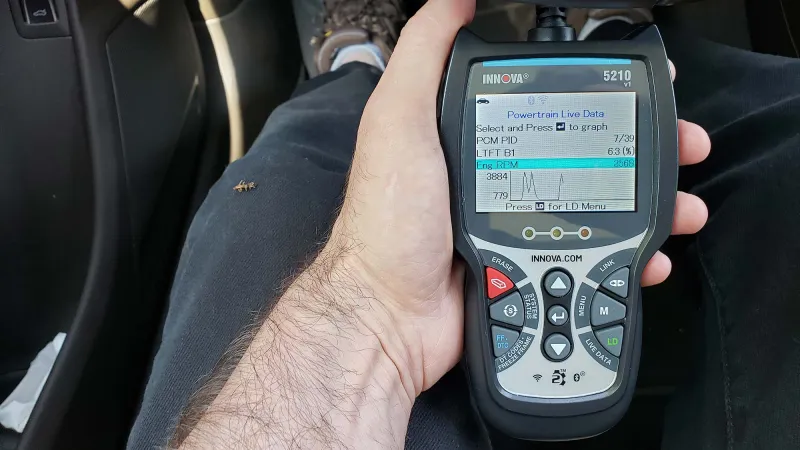
Photo: person holding OBD2 scanner next to used car at dealership lot, via cdn.mos.cms.futurecdn.net
There's a particular kind of frustration that comes with buying a used car and watching the check engine light flicker on before you've even made your first payment. You just handed over thousands of dollars. You drove it home. Everything seemed fine. And now your dashboard is glowing amber and your stomach is sinking.
Before you call the dealer in a panic or resign yourself to eating the repair cost, take a breath. Your next moves matter — and the good news is that if you act quickly and document everything, you have more options than you probably think.
First Things First: Don't Ignore It and Don't Just Clear It
The instinct to either ignore the light or clear it with a cheap scanner and hope it goes away is understandable. Resist both. Here's why.
Ignoring it means you're driving without knowing whether you have a minor emissions issue or something that's actively damaging your engine. Clearing it — especially if you're in a dispute with a seller — erases the very evidence you need. The code itself, and more importantly the freeze frame data attached to it, is a timestamped record of what your car's computer detected and under what conditions. That data can be critical if you end up in a dispute.
Instead, pull the code with your own scanner (or stop by any AutoZone or O'Reilly — they'll read it for free) and write everything down. Note the code number, the description, and if your scanner supports it, capture the freeze frame data. That snapshot includes engine RPM, vehicle speed, coolant temperature, and other parameters from the exact moment the fault was detected. It's not just a code — it's context.
Understanding What You Actually Bought
Your legal standing depends heavily on the type of sale and what paperwork you signed. Let's break it down.
"As-Is" sales: In most US states, used cars sold "as-is" — particularly through private sellers — transfer with no implied warranty. The seller isn't legally obligated to fix anything that goes wrong after the sale, even if it goes wrong immediately. That said, "as-is" doesn't protect a seller from fraud. If a code was present at the time of sale and was deliberately cleared to hide it, that's a different conversation.
Dealership sales with implied warranty: Federal law (specifically the FTC's Used Car Rule) requires dealers to display a Buyers Guide on every used car. If that guide says "Implied Warranties Only" rather than "As-Is," you may have warranty protections under your state's implied warranty of merchantability — meaning the car should be fit for its basic purpose (driving) at the time of sale.
Certified Pre-Owned (CPO) vehicles: These come with manufacturer-backed warranties and are subject to a formal inspection process. A check engine light appearing within days of a CPO purchase is a much stronger warranty claim.
Dealer-offered warranties: Some independent dealers sell their own limited warranties. Pull out every piece of paper from your purchase and read the warranty terms carefully — coverage periods, what's included, and what the claims process looks like.
How Freeze Frame Data Becomes Your Evidence
Here's where your OBD-II scanner becomes more than a diagnostic tool — it becomes documentation.
Freeze frame data captures conditions at the moment a fault code was first stored. If your car has 312 miles on it and the freeze frame shows the fault occurred at 285 miles, that's a strong indicator the problem existed at or very near the time of purchase. Some codes also have a "warm-up cycle" counter that shows how many times the engine has been fully warmed up since the fault was first detected — another useful timestamp.
Print this data. Screenshot it. Email it to yourself so there's a timestamped record. If you ever need to escalate a dispute — whether to the dealer, a consumer protection agency, or small claims court — this is the kind of concrete evidence that gets taken seriously.
Also check your state's lemon law provisions. Most state lemon laws are written for new vehicles, but a growing number of states have used car lemon law protections as well. California, New York, New Jersey, and Massachusetts are among those with meaningful used car protections. The National Consumer Law Center's website is a solid starting point for finding your state's specific rules.
The Paper Trail That Protects You
Regardless of your legal position, documentation is everything. Start building your evidence file immediately:
- Date and mileage of purchase — get this from your bill of sale
- Date and mileage when the light appeared — write this down the moment it happens
- Scanner readout — code number, description, and freeze frame data
- Photos — photograph the dashboard with the light on, your odometer, and your scanner screen
- Any pre-sale representations — did the salesperson say the car had "just passed inspection" or that there were "no known issues"? Write down exactly what was said and when
- Inspection report — if the dealer provided a pre-sale inspection, pull it out and compare what they claimed to what the scanner found
If the code points to something that would have been detectable during a proper pre-sale inspection — a major EVAP leak, a misfiring cylinder, a failing catalytic converter — that discrepancy is meaningful.
What to Say When You Call the Dealer
Keep the first conversation factual and calm. Tell them when you purchased the vehicle, when the light appeared, what code you pulled, and that you'd like to understand their process for handling this. Don't accuse, don't threaten — just establish the facts and see how they respond.
Get everything in writing. If they offer to "take a look at it," ask them to confirm in an email what they're willing to do and whether any repairs will be covered. A verbal promise to fix it is worth nothing if it later becomes a dispute.
If the dealer stonewalls you, your next steps include filing a complaint with your state's Attorney General consumer protection office, contacting the Better Business Bureau, or — for purchases under a few thousand dollars — small claims court, where your documented evidence file becomes your entire case.
The Bottom Line
A check engine light a week after purchase isn't automatically a disaster, and it doesn't automatically mean you're stuck. What it does mean is that the next 48 to 72 hours are critical. Document fast, stay calm, know your rights, and let the data do the talking. Your scanner isn't just a diagnostic tool — right now, it might be the most important thing in your glove box.