Your Code Reader Isn't Lying — But It's Not Telling You the Whole Truth Either
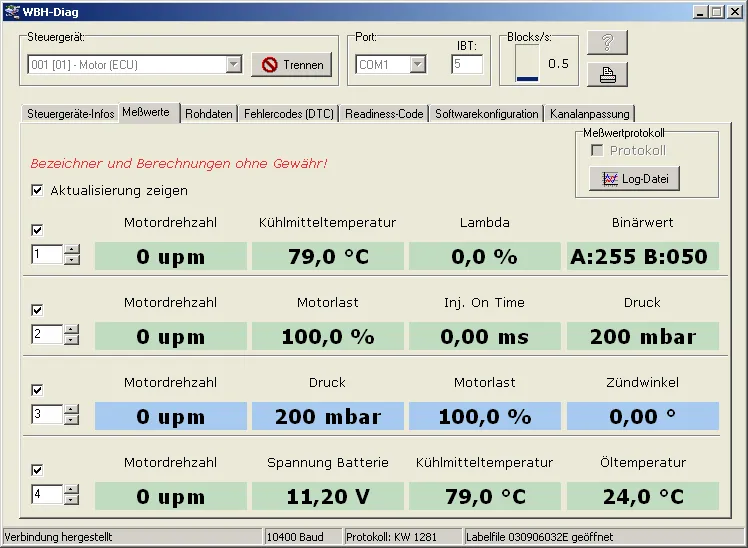
Photo: Florian Schäffer, CC0, via Wikimedia Commons
You see the check engine light pop on during your Tuesday commute, and by Wednesday you've got a $25 OBD-II reader from Amazon plugged into your dash port. Thirty seconds later: P0301. Cylinder 1 misfire. Easy, right?
Not quite.
That code is real. Your car's computer logged it and it absolutely means something is off with cylinder 1. But here's the part nobody puts in the product description: that code is a symptom report, not a diagnosis. And treating it like a diagnosis is where a lot of DIYers end up spending money they didn't need to spend.
What a Code Actually Is (And What It Isn't)
Your car's ECU — the onboard computer — monitors hundreds of inputs from sensors all over the vehicle. When something falls outside of acceptable parameters, it logs a Diagnostic Trouble Code, or DTC. That code tells you what the computer noticed. It does not tell you why.
Think of it like a smoke alarm. The alarm tells you there's smoke. It doesn't tell you whether it's the stove, a candle, or the house actually burning down. The code is the alarm. Diagnosis is figuring out the fire.
P0301 — that cylinder 1 misfire — could mean a bad spark plug. It could also mean a failing ignition coil, a clogged fuel injector, a compression issue, a vacuum leak, or even a software glitch. The code points you toward a neighborhood, not a specific address.
Real Scenarios Where DIY Code Reading Went Sideways
The spark plug swap that didn't fix anything. A driver in Ohio pulled a P0301, bought a full set of spark plugs, did the swap himself, and cleared the code. Two days later, same code. The actual culprit? A hairline crack in the ignition coil boot that only showed up under load. The plugs were fine. He spent $60 on parts he didn't need before finally getting the coil diagnosed.
The oxygen sensor that wasn't the problem. A P0141 — O2 sensor heater circuit malfunction — seems pretty clear-cut. One driver ordered a replacement sensor the same day she pulled the code. After installation, the code came back. A shop eventually found a corroded ground wire that was starving the sensor's heater circuit of proper voltage. The sensor was never the problem. The wiring was. She was out the cost of a sensor she didn't need.
The EVAP code that triggered a weekend project. A P0455 — large EVAP leak — sent one guy on a full weekend of replacing the gas cap, inspecting hoses, and eventually pulling the charcoal canister. The actual leak? A cracked purge valve solenoid that cost $18 and took 20 minutes to swap. He found it eventually, but only after burning a full weekend and about $80 in unnecessary parts.
These aren't horror stories about bad mechanics or defective parts. They're just examples of what happens when you treat a code like a parts list instead of a starting point.
Where Budget Scanners Actually Earn Their Keep
None of this means you should leave your code reader in the junk drawer. There are genuinely useful things a basic OBD-II reader can do for you, and knowing those use cases saves both time and money.
Deciding whether to drive or call a tow. Pulling a code when the light first comes on tells you whether you're looking at something serious — like a misfiring cylinder that could damage your catalytic converter if you keep driving — or something that can wait until the weekend. That alone is worth the price of the reader.
Verifying a mechanic's diagnosis. If a shop tells you the code is P0420 and the catalytic converter needs replacing, you can confirm that code yourself. It doesn't prove their diagnosis is right, but it at least confirms you're both talking about the same code.
Checking freeze frame data. Many budget readers — even some of the cheaper ones — can pull freeze frame data, which is a snapshot of what your car's sensors were doing at the exact moment the fault was logged. That data (engine RPM, coolant temp, vehicle speed) can be genuinely useful context when you're trying to explain the problem to a mechanic.
Clearing codes after a confirmed fix. Once you've had something properly repaired, using your reader to clear the code and monitor whether it comes back is a perfectly legitimate use of the tool.
The Honest Limits of the $30 Reader
Basic OBD-II readers only access generic, standardized codes. They miss manufacturer-specific codes entirely. They don't give you live data streaming in any useful depth. They can't perform bi-directional tests — meaning they can't command a component to activate so you can watch how it responds. And they have no ability to access ABS, transmission, or airbag systems on most vehicles.
If you're chasing an intermittent problem, diagnosing a drivability issue with multiple possible causes, or trying to figure out why the same code keeps coming back after repairs, you're at the limit of what consumer-grade tools can do.
How to Use Your Reader Without Getting Burned
Here's a practical approach that keeps the tool useful without letting it lead you astray:
- Pull the code. Write it down. Don't buy anything yet.
- Look up the full list of possible causes — not just the first result that comes up, but the complete diagnostic tree.
- Check for related symptoms. Does the car run rough? Stall? Hesitate? Those details narrow the field significantly.
- Use the code to have a smarter conversation with a mechanic, not to skip the mechanic entirely.
Your code reader is a compass, not a GPS. It points you in a direction. Getting to the right destination still takes some navigation.